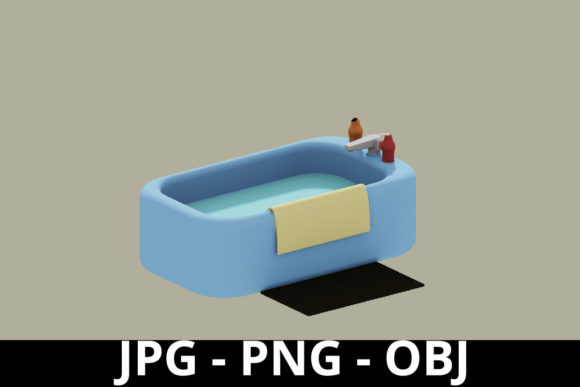
3D Rendering Bathtub: A Perfect Addition for Design Projects
In the world of interior design and architectural visualization, having accurate and visually appealing assets is essential. One such asset that has gained popularity among designers is the 3D rendering bathtub. These digital models are not only lifelike but also incredibly versatile for a wide range of design projects. Whether you're working on bathroom renovations, creating virtual home tours, or developing product mockups, a 3D rendered bathtub can be a powerful tool in your creative arsenal.
What Is a 3D Rendering Bathtub?
A 3D rendering bathtub refers to a digitally created model of a bathtub used for visualizing spaces in architecture, interior design, and product illustration. These models are often exported in formats like JPG, PNG, OBJ, and more, allowing them to be used across different platforms and software. The ZIP folder containing these files typically includes multiple textures, lighting setups, and object configurations, enabling seamless integration into various design environments.
Such renderings can depict bathtubs in styles ranging from modern and minimalist to vintage and classic. They may feature materials like porcelain, ceramic, or even cartoon-like finishes, depending on the intended use. The bathtub is usually presented as an isolated object or within a larger bathroom scene, complete with elements like faucets, soap holders, and water effects.
Why Use a 3D Rendering Bathtub in Your Project?
There are several reasons why professionals and hobbyists alike might choose to use a 3D rendering bathtub:
- Design Flexibility: You can experiment with different layouts, color schemes (like blue tones), and decor styles without needing physical prototypes.
- Realistic Visualization: High-quality renderings allow you to showcase how a bathtub will look in a space before construction begins.
- Client Presentations: Clients appreciate seeing realistic visuals when making decisions about their homes or commercial spaces.
- Marketing and Sales: Real estate developers and retailers use 3D renderings to highlight features like stylish fixtures or vintage designs in promotional materials.
Benefits of Using a 3D Rendered Bathtub
Utilizing a 3D rendering bathtub offers numerous advantages over traditional methods:
- Time Efficiency: Instead of waiting for physical samples, you can generate and modify renderings instantly.
- Cost Savings: Reduces the need for expensive photo shoots or physical modeling during the planning phase.
- Customization Options: Easily adjust size, shape, material, and surrounding elements like showers or faucets to match specific project needs.
- High-Resolution Output: Formats like JPG and PNG ensure clear, detailed images suitable for print or digital media.
Tradeoffs and Considerations
While 3D rendered bathtubs are incredibly useful, they do come with certain limitations:
- Technical Skill Required: Working with 3D models demands some knowledge of rendering software or collaboration with skilled designers.
- Resource Intensive: High-resolution renderings can consume significant storage and processing power, especially if you're working with large ZIP folders containing multiple file types.
- Not Always Accurate: Depending on the source, some models may not reflect real-world dimensions or material properties accurately.
- License Restrictions: Some 3D models require proper licensing for commercial use, so always check usage rights before finalizing a project.
Additionally, consider whether the style of the bathtub matches your overall vision. For instance, a cute, cartoon-style tub may not suit a high-end luxury bathroom design. Similarly, an empty bathtub without context might not convey the intended atmosphere unless carefully placed within a cohesive scene.
Situations Where It Fits Best
A 3D rendering bathtub is particularly well-suited for the following scenarios:
- Bathroom Renovation Projects: Visualize layout changes, lighting, and decor options using a variety of bathtub models.
- Architectural Visualization: Incorporate realistic bathtub models into full-scale room or house renderings to enhance the sense of space and comfort.
- Product Showcasing: Manufacturers and retailers can use 3D models to display products in different settings or with varying finishes.
- Interior Design Concepts: Test how a classic or modern tub complements other elements like tiles, vanities, or shower enclosures.
For example, if you're designing a beautiful vintage-inspired bathroom, a 3D rendered cylinder-shaped porcelain tub could serve as the centerpiece. In contrast, a sleek, modern tub with integrated faucet options would better align with a contemporary aesthetic.
When Alternatives Might Be Better
Despite its benefits, there are situations where a 3D rendered bathtub might not be the best choice:
- Low-Budget Projects: If resources are limited, using stock photos or simpler 2D illustrations might suffice.
- Quick Mockups: For fast, informal presentations, a hand-drawn sketch or basic CAD model could be more efficient.
- Physical Prototyping Needed: When tactile feedback or spatial testing is required, a 3D printed model or real-life sample might be preferable.
- Lack of Technical Expertise: If your team lacks experience with 3D modeling software, outsourcing this part of the design process could be more practical.
In cases where hygiene or functionality is the main focus—such as in healthcare facility designs—a highly detailed, anatomically correct 3D model might be necessary rather than a purely decorative one. Also, if your audience is more interested in technical specifications than aesthetics, a simple line drawing or blueprint could be more effective.
Decision-Making Insights
To determine whether a 3D rendering bathtub is right for your project, consider the following questions:
- Do I need to visualize the bathtub in a realistic setting with lighting and textures?
- Will my audience benefit from seeing a stylized or classic bathtub model?
- Am I aiming for a clean, modern look, or something more vintage and ornate?
- Can I integrate the bathtub model into existing 3D scenes or design tools?
- Is the bathtub central to the design concept, or is it just one of many elements?
If you answered yes to most of these, then a 3D rendered bathtub is likely a strong fit. However, if your needs are minimal or time-sensitive, alternatives such as stock images or vector illustrations might offer a quicker solution without sacrificing quality.
Expectations and Best Practices
Before downloading or purchasing a 3D rendering bathtub package, set realistic expectations:
- Quality Varies: Not all models are created equal; some may lack detail or realism. Look for reviews or previews before committing.
- Compatibility Matters: Ensure the model works with your preferred software (e.g., Blender, SketchUp, or AutoCAD).
- Scale and Proportion: Verify that the bathtub's dimensions are accurate to avoid mismatches in your design.
- Lighting and Environment: Choose models that include lighting setups or can be easily adapted to your scene.
Also, keep in mind that while a beautiful bathtub can elevate a design, it’s important to maintain balance. Overly intricate or exaggerated models may distract from the overall composition. Aim for models that complement your design goals—whether those involve showcasing a luxurious home bath, a functional shower area, or a whimsical cartoon-style washroom.
Final Thoughts
The 3D rendering bathtub is a valuable resource for anyone involved in design, architecture, or product illustration. Its ability to blend realism with creativity makes it ideal for presenting ideas clearly and professionally. However, it’s important to weigh your specific needs against the capabilities of the model you’re considering. By understanding the tradeoffs, evaluating the available formats (like JPG, PNG, or OBJ), and matching the bathtub’s style to your project, you can make an informed decision that enhances both your workflow and final output.