Everything You Need to Know About 3D Layered Dog for Better Design and Printing Results
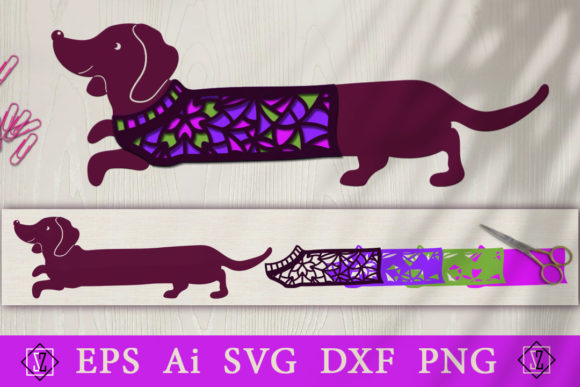
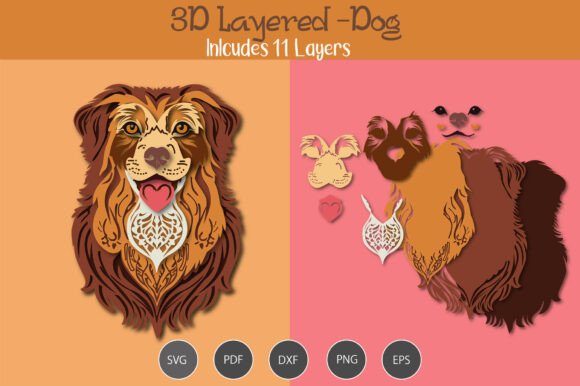
If you're diving into the world of digital design, laser cutting, or custom printing, you might have come across a term like 3D Layered Dog. It sounds creative, but what exactly is it, and how can you use it effectively? A 3D Layered Dog design typically refers to a stylized dog figure created in multiple layers using vector formats. These files are ideal for crafting intricate projects such as wall art, personalized gifts, pet-themed decorations, and more. But with so many file types and options available, it's easy to get confused — especially if you're new to this space.
Understanding What You’re Getting: Digital Files Only
One of the most common misconceptions is thinking that purchasing a 3D Layered Dog means receiving a physical product. However, when you buy a digital layered dog, you're getting an instant download of high-quality digital files — no printed items will be sent via postal mail. This listing includes:
- 01 Zip file containing the following formats:
- SVG (Scalable Vector Graphics)
- DXF (Drawing Exchange Format)
- PNG (Portable Network Graphics)
- EPS (Encapsulated PostScript)
- PDF (Portable Document Format)
These files are all part of a single, cohesive design — often with 11 layers that allow for customization, color separation, and precise editing. The key is understanding what each format does and how they fit into your workflow.
Not Checking File Compatibility
Many users overlook whether their software supports the file formats included in the package. For example, while SVG is great for Cricut and Silhouette machines, DXF is better suited for laser cutters. If you don’t verify compatibility before downloading, you may end up with unusable files or extra work converting them yourself. Always cross-check the tools or platforms you plan to use with the supported formats listed in the product description.
Misunderstanding the “Layered” Aspect
The term “layered” can mean different things depending on the file type. In SVGs, layers might be separated by colors or parts of the design. In DXF or PDF files, layers can represent individual elements like fur, eyes, or paws. Not knowing how these layers are structured can lead to confusion when trying to edit or print the design. Before starting any project, open the file in your preferred software to explore the layers and understand how they function.
Assuming All Layers Are Editable
Sometimes, buyers expect every layer in the ZIP file to be fully editable, but this isn’t always the case. While vector formats like SVG, DXF, EPS, and PDF generally allow for some level of customization, there may be nested groups or locked layers within the design. Make sure you're using appropriate vector editing software such as Adobe Illustrator, Inkscape, or CorelDRAW to manipulate these layers effectively. Relying solely on basic photo editors like Photoshop or Paint may limit your ability to adjust the layers properly.
Know Your Tools and Software
Before buying a 3D Layered Dog file, ask yourself: What do I plan to do with this? If you're using a Cricut machine, SVG is your go-to. If you're preparing artwork for a vinyl cutter or engraver, check for DXF support. For general printing, PNG or PDF could be sufficient. Knowing which format suits your purpose ensures you get the best results from your investment.
Test the File First
It’s tempting to jump straight into a big project after downloading your 3D Layered Dog files, but take time to test one small element first. Try importing the SVG into your design software or previewing the PDF in a reader. This helps identify potential issues early, such as missing fonts, incorrect layer organization, or scaling problems. Testing also gives you confidence in the file quality and accuracy before finalizing your work.
Understand Layer Functions
A 3D Layered Dog with 11 layers likely breaks down the image into components like background, body, head, ears, tail, eyes, nose, mouth, fur, shading, and highlights. Understanding how each layer contributes to the overall look allows you to make thoughtful edits. For instance, if you want to change the dog's eye color, you’ll need to locate the specific layer that contains the eyes rather than altering the entire design.
Don’t Skip the Read Me File
Most digital downloads include a text or PDF document titled something like “Read Me” or “Instructions.” This guide usually explains the file structure, recommends software, and offers tips for using the layers correctly. Skipping this step can lead to unnecessary frustration and errors. Take five minutes to read through the instructions — it can save hours later.
Real-World Applications of 3D Layered Dog Files
Here are a few ways professionals and hobbyists use 3D Layered Dog designs:
- Custom Pet Portraits: Artists use layered files to create detailed, multi-color images of dogs for canvas prints, acrylic boards, or wooden signs.
- Merchandise Creation: Entrepreneurs and marketers integrate these designs into T-shirts, mugs, phone cases, and other products using heat transfer or screen-printing techniques.
- Laser Cutting Projects: Crafters and educators build 3D models, engraved wood art, or layered paper crafts using the precision of DXF or SVG files.
- Graphic Design Workflows: Bloggers and freelancers add these layered graphics to websites, social media posts, or newsletters for visual appeal without needing advanced illustration skills.
How to Avoid Costly Errors When Using 3D Layered Dog Designs
When working with layered files, efficiency and clarity are key. Here are some real-life examples of what can go wrong — and how to fix it:
Mistake: A user buys a 3D Layered Dog file and tries to print it directly without checking resolution settings. The result is a blurry, low-quality print.
Better Approach: Always confirm the resolution of the PNG or PDF before printing. If it’s too low for your needs, reach out to the seller for higher-res versions or alternative formats.
Mistake: Someone uses the DXF file in a laser cutter without adjusting the line weights. The machine cuts incorrectly because it can't distinguish between outlines and fill areas.
Better Approach: Open the DXF in compatible software and ensure that line weights are set appropriately for the tool you're using. Some laser cutters require specific line styles for engraving vs. cutting.
Mistake: An entrepreneur uploads the SVG to a print-on-demand platform but doesn’t flatten the layers, leading to unexpected colors or patterns.
Better Approach: Flatten the design or convert it to a solid-colored PNG before uploading to ensure the platform interprets it correctly. Always preview the output on the site before placing an order.
Key Things to Check Before Downloading or Using 3D Layered Dog Files
To ensure your experience with a 3D Layered Dog is smooth and productive, consider the following:
- Supported Formats: Does the package include the right file types for your equipment or software?
- Layer Structure: Are the layers clearly defined and labeled for easy customization?
- Resolution and Quality: Is the image sharp enough for your intended use? For large prints, 300 DPI is standard.
- Editable Elements: Can you modify colors, shapes, or text without losing quality?
- Instructions Provided: Is there a clear guide or tutorial to help you navigate the files?
By addressing these points upfront, you'll avoid wasted time and resources and ensure your final product looks professional and polished.
Conclusion
3D Layered Dog designs offer a powerful way to bring creativity into your personal or professional projects. Whether you're making custom gifts, educational materials, or promotional merchandise, these digital files provide flexibility and detail. However, success depends on knowing what you're getting and how to use it correctly. Avoid common pitfalls by understanding file formats, testing before committing, and leveraging the layered structure to its fullest potential.
Remember, you’re not just buying a cute dog graphic — you’re investing in a versatile, editable design that can elevate your work when used properly. With the right preparation and attention to detail, you’ll unlock the full value of your 3D Layered Dog and achieve impressive results every time.