Strategic Use of Ski 3D Illustrations for Creative and Business Goals
Visual content has become a cornerstone in both personal creativity and professional branding. Whether you're an entrepreneur, marketer, educator, or hobbyist, the right graphics can enhance your message, streamline your workflow, and elevate your projects. Ski 3D illustrations offer a unique opportunity to integrate high-quality, versatile, and customizable visual elements into your work. This article explores how thoughtful use of these digital assets can support your strategic goals, from marketing to product design, while helping you avoid common pitfalls.
What is Ski 3D?
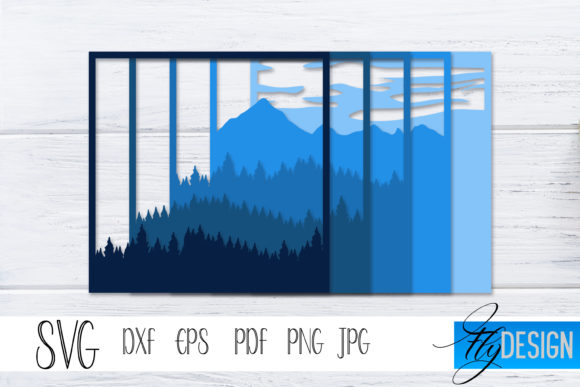
Ski 3D refers to a collection of professionally designed digital illustrations focused on winter sports themes—most notably, skiing. These files are crafted with precision and come in multiple formats such as .SVG, .PNG, .PDF, .EPS, and more. Each illustration includes detailed layers, making it ideal for paper cutting, coloring pages, or integration into digital projects. The files are scalable without loss of quality, allowing users to resize and recolor them easily to fit their specific needs.
The appeal of Ski 3D lies not just in its aesthetic value but also in its adaptability. It's a resource that blends functionality with artistic flair, offering creators the flexibility they need to bring ideas to life across various platforms and applications.
Why Ski 3D is Strategically Useful
When used thoughtfully, Ski 3D illustrations can serve several strategic purposes. For example, if you’re launching a new line of winter apparel or creating promotional materials for a ski resort, having access to high-resolution, editable images can significantly improve your communication strategy. These visuals help you tell a compelling story, connect with your audience emotionally, and maintain a consistent brand identity.
- Marketing and Advertising: Incorporate Ski 3D graphics into social media posts, email campaigns, or website banners to create eye-catching designs that align with seasonal themes or event promotions.
- Product Design: Use the layered SVG and EPS files to customize merchandise like mugs, t-shirts, or posters, ensuring your branding remains cohesive and visually appealing.
- Education and Publishing: Teachers and publishers can utilize the coloring page format for educational materials, while bloggers can enhance their content with engaging visuals.
Aligning Visuals with Brand Positioning
In today’s competitive market, visual consistency plays a vital role in brand recognition. Ski 3D allows professionals to maintain this consistency by enabling quick edits and reuse of imagery. For instance, a small business owner managing a ski-themed café might want to use similar visuals across packaging, signage, and online presence. With Ski 3D, they can ensure that every image reflects the same style and tone, reinforcing their brand identity without the need for repeated custom design work.
Moreover, the transparent PNG backgrounds and clipart-ready formats mean that these illustrations can be seamlessly integrated into different color schemes or layouts. This level of control is invaluable when maintaining a cohesive visual language across all touchpoints.
Planning Your Use of Ski 3D Illustrations
To maximize the potential of Ski 3D, start by identifying your primary objective. Are you looking to boost engagement on social media? Enhance a product’s packaging design? Or perhaps create educational materials for a winter safety course? Once your goal is clear, consider the following steps:
- Define Your Audience: Who will see these visuals? A younger demographic may respond better to bold colors and dynamic poses, while a more mature audience might appreciate subtle, elegant designs.
- Select the Right Formats: Choose file types based on your intended platform. If you're working with a Cricut machine for physical products, prioritize .SVG and .EPS files. For digital use, .PNG and .PDF provide excellent clarity and compatibility.
- Plan for Versatility: Consider how the illustration might be reused. Can it serve as a logo, a background element, or part of a larger collage? Planning ahead ensures you get the most out of each purchase.
Real-World Applications
Here are some practical examples of how Ski 3D can support your creative and business initiatives:
- Event Promotion: A local ski club planning a weekend event could use the setting sun skier illustration as a central graphic for flyers, banners, and social media posts. By tweaking the colors to match their theme, they create a unified and attractive campaign.
- Educational Content: An online fitness instructor teaching winter endurance training might incorporate the layered SVG file into workout plans or infographics. This helps explain techniques or routines using visual cues that learners can easily follow.
- Craft Businesses: A small business selling holiday decorations could use the clipart-style layout to produce laser-cut wooden prints or vinyl stickers. The separated layers allow for easy modification and customization per customer request.
How to Approach Ski 3D Creatively
One of the key advantages of Ski 3D is its ability to spark creativity. However, creativity alone isn’t enough—it must be guided by purpose. Start by brainstorming how the illustration fits within your broader creative vision. Will it be a focal point or a supporting detail? How does it reflect your brand’s values or message?
A good practice is to store the downloaded files in a well-organized digital library. This way, you can quickly pull them into future projects without re-downloading or recreating. Naming conventions and folder structures can save time and reduce errors during production phases.
Additionally, consider pairing the illustration with other elements like typography, photography, or animations. Ski 3D works best when it complements rather than competes with other components of your design. For example, adding a simple sans-serif font over a dramatic sunset scene can balance the composition and guide the viewer’s attention effectively.
Software Compatibility and Workflow Integration
Ski 3D files are compatible with a wide range of software and machines, including Adobe Illustrator, Inkscape, CorelDRAW, Cricut Design Space, and Silhouette Studio. This makes them suitable for both digital designers and hands-on crafters. Understanding which tools you’ll use before purchasing can help you make a more informed decision and streamline your workflow.
If you're unfamiliar with vector-based editing, take time to learn the basics of layer manipulation and color adjustments. Many free tutorials exist online that can help you unlock the full potential of these files. Investing a little time upfront can lead to significant efficiency gains later.
Decision-Making Guidance: When and How to Use Ski 3D
Before incorporating any visual asset into your project, ask yourself whether it adds value. Ski 3D should be used when it directly supports your messaging or enhances user experience. Here’s how to decide:
- Is there a clear need for winter-related imagery? If your project centers around snow sports, outdoor activities, or seasonal events, then Ski 3D is likely a perfect fit.
- Will the illustration improve engagement or understanding? Visuals can break up text-heavy content or clarify complex ideas. If either applies, consider integrating the illustration strategically.
- Do I have the tools and skills to edit and implement the files? While the files are user-friendly, some basic knowledge of design software or crafting tools is necessary. If you lack these skills, plan for training or collaboration.
For entrepreneurs and marketers, timing is everything. Using Ski 3D illustrations during peak winter months or in anticipation of major holidays (like Christmas or New Year) can increase relevance and resonance with audiences. Similarly, educators might find it useful to introduce these visuals at the start of a season when students are naturally more engaged with outdoor topics.
Risks of Random Use
While Ski 3D offers tremendous flexibility, using it without a clear context or goal can dilute your message. For example, placing a skier illustration on a summer-themed product might confuse customers and weaken brand perception. Always ensure the visuals align with your content’s tone, theme, and target audience.
Another risk is overusing the same image across too many platforms. Repetition can lead to visual fatigue, reducing the impact of your message. Instead, rotate between different styles or variations of the illustration to keep your content fresh and engaging.
Long-Term Value and Strategic Investment
Investing in Ski 3D illustrations isn't just about short-term aesthetics—it's about long-term value. High-quality, reusable assets can reduce the need for frequent outsourced design work, saving time and money. They also allow for rapid iteration and adaptation, which is essential in fast-moving markets.
Consider licensing or bulk purchases if you foresee repeated use. This can offer cost savings and ensure you always have the right files on hand. Additionally, storing them in a centralized design repository helps track usage and avoid duplication efforts.
Learning and Growth Opportunities
Using Ski 3D can also be a learning experience. As you experiment with different formats and applications, you'll gain insights into what works best for your audience and industry. Document your process, test variations, and collect feedback to refine your approach over time.
Freelancers and small business owners can benefit from this iterative learning. For instance, a blogger experimenting with infographic-based content might use the setting sun skier to visualize data trends related to winter tourism. Over time, they can adjust the illustration's placement, size, and color to optimize readability and engagement.
Operational Benefits and Customer Experience
From an operational standpoint, Ski 3D simplifies tasks that would otherwise require custom illustrations. This is especially beneficial for businesses with tight deadlines or limited budgets. The ready-to-use nature of the files means less back-and-forth with designers and faster turnaround times.
Enhancing customer experience is another area where Ski 3D shines. Customized, high-quality visuals can make your products stand out in a crowded marketplace. Imagine a boutique selling personalized gifts. Offering customers the option to choose from Ski 3D illustrations—perhaps altering the skier's color or pose—can turn a standard item into a memorable one.
Practical Tips for Maximum Impact
- Use Layer Separation Wisely: Take advantage of the individual layers in the EPS and SVG files to modify parts of the illustration independently. This can be especially useful for creating variations or adapting to different design constraints.
- Test Before Finalizing: Before mass-producing items with the illustration, print or preview them on the intended medium. Digital screens look different from printed materials, and subtle changes can affect the overall appearance.
- Stay Organized: Keep copies of the original files alongside edited versions so you can revisit or rebuild them if needed. This is crucial for maintaining design integrity and version control.
Conclusion
Ski 3D illustrations represent more than just beautiful artwork—they are strategic tools that can enhance your creative output, strengthen your brand, and improve operational efficiency. By approaching their use with intention and planning, you can ensure that every visual element contributes meaningfully to your goals.
Whether you're designing for a launch campaign, crafting educational materials, or producing seasonal merchandise, the right illustration can make all the difference. Embrace the versatility of Ski 3D, but do so with a clear purpose in mind. This way, you'll not only save time and resources but also deliver a more impactful and memorable experience to your audience.