3d Realistic Logo Mockup PSD: A Practical Evaluation for Digital Presentations
In the competitive landscape of digital branding, how a logo is presented can be just as critical as the design itself. A static vector file often fails to convey scale, texture, or context, leaving potential clients or stakeholders guessing about the final application. This is where high-quality visual assets become indispensable tools in a designer’s workflow. The 3d Realistic Logo Mockup PSD emerges as a specialized resource designed to bridge this gap, offering a sophisticated method to showcase branding elements on social media and other digital platforms. By evaluating its technical specifications, usability, and practical applications, we can determine its true value for professionals ranging from freelance graphic designers to small business owners.
Understanding the Core Concept
At its foundation, this mockup is not merely a photograph but a structured Photoshop document (PSD) engineered for precision. The product description highlights a key feature: it is a single PSD file containing one smart layer. For those unfamiliar with Adobe Creative Cloud workflows, a smart object allows for non-destructive editing. This means you can place your own PNG design onto the phone screen within the mockup, and the software automatically maps it to the perspective, lighting, and curvature of the device. You do not need to manually warp or distort your artwork; the technology handles the geometric alignment, ensuring that the logo sits naturally on the surface.
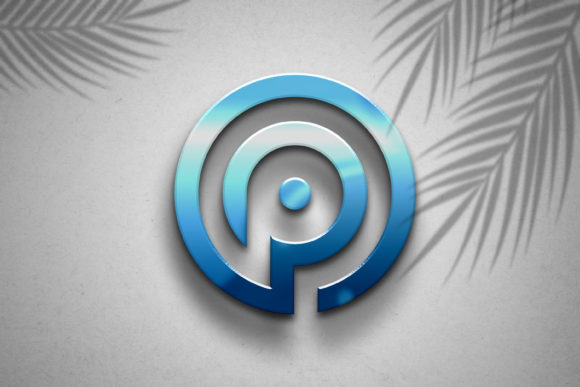
The emphasis on "realistic" in the title refers to the rendering quality. Unlike flat illustrations or simple overlays, a 3D mockup simulates depth, shadows, and material properties. In this case, the subject is a smartphone, a ubiquitous object in modern life. Placing a logo here immediately associates the brand with mobility, accessibility, and contemporary technology. This contextual placement helps viewers visualize their own brand identity in a real-world scenario, which is a powerful psychological trigger in marketing and sales.
Technical Specifications and Quality Assessment
When assessing any digital asset, resolution and format are paramount. The inclusion of high-resolution 300 dpi files in both JPG and PNG formats ensures that the mockup remains crisp across various display sizes. Whether viewed on a large desktop monitor or a mobile device, the image will not pixelate. The 300 dpi standard is particularly useful if there is any intention to print physical materials derived from these screens, such as posters or brochures, although the primary use case appears to be digital.
A significant advantage noted in the product details is the removal of watermarks and logos from the downloadable files. Many stock photo providers watermark their previews heavily, making it difficult to judge the actual quality of the underlying image. Receiving clean, unbranded source files allows for immediate integration into client presentations without the need for tedious post-processing to remove distracting artifacts. Furthermore, the fact that the images come without a background in some iterations provides flexibility. Designers can composite the phone mockup onto custom backgrounds—such as a desk, a hand, or an abstract gradient—tailoring the aesthetic to match specific brand guidelines.
Workflow Integration and Usability
One of the most compelling aspects of this tool is its compatibility with Photoshop CS4 and above. While newer versions of Photoshop offer advanced features, the core functionality required for this mockup—the smart object layer—is stable and has been part of the software for over a decade. This broad compatibility means that even users who have not upgraded to the latest subscription model can utilize the file effectively. It lowers the barrier to entry for freelancers or small agencies operating on older hardware or legacy software licenses.
The process is streamlined for efficiency. Once downloaded, the user simply opens the PSD, navigates to the smart object layer, places their PNG design, saves, and closes. The main document updates instantly. This simplicity is crucial for professionals who may be juggling multiple projects. There is no steep learning curve or complex scripting involved. For educators teaching basic design principles or bloggers looking to quickly generate engaging content thumbnails, this speed translates directly into time savings.
Strategic Applications and Audience Fit
Who benefits most from the 3d Realistic Logo Mockup PSD? The answer lies in understanding the target audience of the content creator. For social media managers, visual consistency and high production value are key metrics. A generic logo upload often gets lost in the scroll. However, a professionally rendered mockup on a sleek smartphone stands out, suggesting professionalism and attention to detail. It signals to the viewer that the brand invests in quality presentation.
- Freelance Designers: Can use this to present logo concepts to clients in a more tangible way, increasing the likelihood of approval.
- Small Business Owners: Can create consistent branding for Instagram, LinkedIn, or Twitter without hiring a dedicated photographer.
- Educators and Bloggers: Can produce eye-catching headers and featured images that enhance readability and engagement.
- Marketers: Can A/B test different logo placements or colors by swapping out the smart object layer rapidly.
The versatility extends beyond just logos. While optimized for text and graphic designs, the smart object can accommodate app icons, UI elements, or promotional banners, provided they are formatted correctly. This makes it a multi-purpose asset rather than a single-use tool.
Potential Limitations and Considerations
No tool is without its constraints. The reliance on Photoshop means that users without access to Adobe software cannot utilize this PSD file. While free alternatives like GIMP exist, they often struggle with smart objects, requiring manual transformation techniques that lack the precision of native Photoshop layers. Additionally, the focus on a single phone screen limits the scope of application. If a brand needs to see their logo on a laptop, a t-shirt, or a storefront sign, this specific mockup will not suffice. It is a niche solution for digital-first branding.
Furthermore, while the image is described as realistic, the degree of realism depends on the original photography or 3D rendering used to create the base file. Users should inspect the lighting direction and shadow softness to ensure it matches their overall aesthetic. If a brand’s visual identity relies on stark, minimalist lighting, a warm, ambient mockup might feel incongruous. Therefore, critical evaluation of the visual tone before purchase or download is recommended.
Long-Term Value and Conclusion
Evaluating the 3d Realistic Logo Mockup PSD reveals a tool that prioritizes practical utility over flashy gimmicks. Its strength lies in its simplicity and effectiveness at solving a common problem: displaying digital assets in a believable context. For professionals seeking to elevate their online presence, the ability to present a logo on a device that everyone carries daily creates an immediate connection. The provision of high-resolution, watermark-free files adds tangible value, saving time on post-production and ensuring a polished final output.
While it requires specific software to operate and focuses on a singular use case, its execution is robust. It serves as a reliable component in a broader design toolkit. For those who frequently update their social media profiles or need to pitch designs visually, this mockup offers a cost-effective and efficient solution. It does not replace the need for good design, but it significantly enhances the delivery of that design, ensuring that the message is received with the intended level of professionalism and clarity. In an era where first impressions are digital, having the right visual frame can make all the difference.