Heraldic 3D Elements: A Realistic Vector Set for Professional Design and Branding
For designers, marketers, and creators working on high-impact visual projects, the need for premium-quality vector graphics that combine historical authenticity with modern design versatility is essential. Heraldic 3D Elements delivers precisely that with its meticulously crafted set of royal crowns, shields, laurel wreaths, and gold medals—ideal for sports challenges, branding materials, or any project requiring a touch of regal symbolism. This product file includes one scalable EPS10 vector file, offering flexibility and clarity across various applications. In this article, we’ll explore what makes Heraldic 3D Elements stand out, how it can be used effectively, and who might benefit most from integrating it into their workflow.
What Are Heraldic 3D Elements?
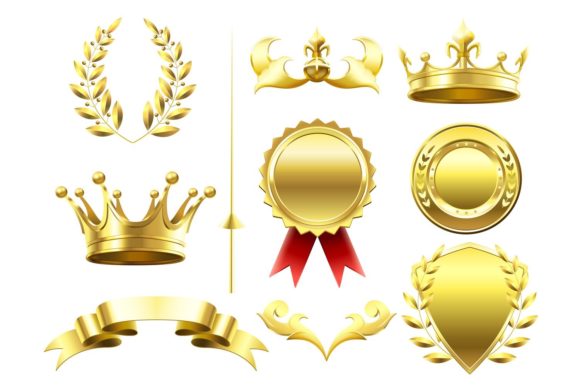
Heraldic 3D Elements are a curated collection of emblematic symbols rendered in detailed, realistic 3D vector form. These include traditional heraldic items such as royal crowns, antique-style tiaras, shields, and laurel wreaths, alongside a winner’s gold medal commonly associated with sports events or achievement-based themes. The set is designed to be isolated, meaning each element can be easily separated using a vector editor like Adobe Illustrator, allowing for precise customization without compromising quality.
The design style leans toward an antique aesthetic, which gives these elements a timeless appeal suitable for both classic and contemporary contexts. Whether you're creating promotional assets for a championship event, designing a crest for a corporate identity, or illustrating a historical manuscript, these vectors bring a level of sophistication and professionalism that's hard to achieve otherwise.
Key Characteristics and Purpose
- Realistic Detail: Each item is rendered with attention to intricate textures and lighting effects, making them visually rich even at high resolutions.
- Scalable Format (EPS10): As an industry-standard vector format, EPS10 ensures crisp, clear output whether printed large or displayed digitally.
- Isolated Elements: The components are cleanly separated, enabling users to modify or extract specific parts without affecting others.
- Monochromatic and Color Options: While primarily presented in gold tones, the structure allows for easy recoloring to match brand palettes or design themes.
The primary purpose of Heraldic 3D Elements is to provide a reliable and aesthetically refined toolkit for professionals needing symbolic imagery that communicates authority, prestige, and excellence. Unlike generic stock icons, these designs carry a sense of heritage and gravitas, making them especially valuable for niche industries or specialized campaigns.
Strengths and Practical Value
One of the most notable strengths of Heraldic 3D Elements is its versatility. For example, a marketer could use the gold medal graphic in a campaign promoting a marathon or fitness challenge, while a game developer might incorporate the crown and shield into a medieval-themed app or website. The realistic rendering elevates the overall look of the design, ensuring it stands out in a sea of flat or stylized alternatives.
Another advantage is the ease of integration. Since the file is in EPS10 format, it works seamlessly with Adobe Illustrator and other professional vector editing software. This means you can scale the elements infinitely without loss of quality, edit individual components, or apply custom gradients and shadows to blend them into your project.
Real-World Applications and Performance
In practice, Heraldic 3D Elements perform exceptionally well in both print and digital environments. Their 3D realism adds depth to presentations, posters, infographics, and editorial illustrations. For instance, when designing a commemorative poster for a national sports event, the inclusion of a golden monarchy crown and laurel wreath can symbolize honor and victory in a way that feels authentic and compelling.
- Corporate Branding: Companies launching luxury lines or heritage-focused products can leverage the crown and shield motifs to reinforce themes of tradition and excellence.
- Game and App UI Design: Developers can use these elements to create badges, achievements, or decorative icons that enhance user experience with a sense of accomplishment and grandeur.
- Editorial and Publishing: Educators, bloggers, and publishers working on history-related content may find these visuals useful for illustrating articles about medieval symbols, monarchies, or ceremonial traditions.
- Event Promotion: Marketers behind award ceremonies, tournaments, or elite competitions can use the winner’s gold medal and laurel wreath to craft eye-catching invitations or banners.
These elements also serve as excellent placeholders during early design phases. Because they’re clean and well-structured, they allow for quick prototyping before finalizing color schemes or layouts. Their reliability in maintaining visual integrity under different scaling conditions makes them a preferred choice over raster images in many professional settings.
Who Can Benefit Most?
Heraldic 3D Elements cater to a wide range of professionals and serious hobbyists. Here’s a closer look at some of the key users who will likely find value in this set:
- Graphic Designers: Especially those specializing in branding, illustration, or themed content. The ability to customize and re-purpose individual elements offers creative freedom.
- Marketers and Advertisers: Looking to add symbolic weight to campaigns related to leadership, excellence, or legacy. The gold medal and crown can represent awards, success, or prestige.
- Freelancers and Entrepreneurs: Who need high-quality, royalty-free assets for client work or personal ventures. These elements help maintain a polished look without the need for complex 3D modeling tools.
- Bloggers and Publishers: Seeking to enrich educational or historical content with engaging visuals. The set aligns well with topics on heraldry, monarchy, and competitive achievement.
- Small Business Owners: Creating packaging, logos, or promotional materials that require a touch of elegance or nobility. The antique feel of the tiara and shield can evoke trust and timelessness.
While the set is ideal for these audiences, it’s important to note that the design is best suited for projects where a classical or symbolic motif is relevant. Users in more minimalist or abstract design spaces may find the ornate details too heavy unless they’re intentionally incorporating a thematic or historical angle.
Quality and Usability Considerations
From a quality standpoint, the EPS10 format is a strong choice for anyone who values resolution independence and clean layer separation. The elements are not only visually appealing but also technically sound, with no jagged edges or distortion issues when scaled. The lighting and texture effects are subtle yet effective, adding dimension without overwhelming the composition.
In terms of usability, the main requirement is access to a vector editing tool. If you don’t already have Adobe Illustrator or similar software, you may need to factor in the cost of licensing or training. However, once you're familiar with the basics of vector manipulation, adjusting colors, separating layers, or resizing becomes straightforward. The documentation included should guide users through basic editing procedures, though advanced customization would depend on the designer’s skill level.
Flexibility and Customization Potential
Flexibility is a major selling point of this vector set. Each element is layered and editable, allowing for a range of modifications. You can change the base color of the crown, adjust the background of the laurel wreath, or even remove certain textures to better fit a particular design context. This adaptability is particularly beneficial when matching brand guidelines or creating variations for different platforms.
Consider a scenario where a designer needs to produce a series of trophies for a client’s internal competition. With Heraldic 3D Elements, they can extract the gold medal and laurel wreath and integrate them into a custom trophy design, varying the colors or backgrounds to reflect different categories or winners. The same elements could later be repurposed for a social media post or a newsletter graphic, demonstrating their broad utility.
Consistency and Long-Term Value
Consistency in design is crucial for building a cohesive brand identity or maintaining a unified theme in a publication. Heraldic 3D Elements offer a consistent visual language rooted in heraldic tradition, which helps maintain harmony across multiple assets. The uniformity of style ensures that all elements can be used together without clashing, providing a seamless integration process.
Long-term value is another key factor. High-resolution vector files tend to outlast trends because they remain adaptable and timeless. The antique realism of these elements ensures they won’t appear outdated in future projects, unlike many trendy icon sets. Additionally, their association with symbols of prestige means they can be reused in various campaigns or materials over time.
Professional Observations and Limitations
As a professional asset, Heraldic 3D Elements performs well in controlled environments where the design intent is clearly aligned with its thematic nature. However, there are some limitations to consider. First, the set is relatively small, containing just one EPS10 file with a few core elements. While these are highly detailed and customizable, users looking for a broader library of heraldic or sports-themed assets may need to purchase additional sets or supplement with other resources.
Second, the ornate style may not suit every design. In cases where minimalism is required, or where the focus is purely functional rather than symbolic, these elements could become a distraction. It’s always wise to test them in your specific context before committing to full-scale integration.
Lastly, while the file is labeled “isolated,” beginners may still find it challenging to separate or modify elements without proper vector editing knowledge. Tutorials or guides may be necessary if you're new to working with layered EPS files.
When to Use Heraldic 3D Elements
To determine if Heraldic 3D Elements fits your project, consider the following scenarios:
- You're designing a logo or brand identity for a company with historical roots or noble aspirations.
- Your marketing campaign revolves around themes of victory, excellence, or heritage.
- You need high-quality, royalty-free assets for print materials like certificates, trophies, or awards.
- You’re illustrating a blog post, infographic, or educational material on heraldry, monarchy, or sports culture.
- You want to add a touch of elegance or prestige to your digital artwork, app interfaces, or web designs.
If any of these situations resonate with your current goals, Heraldic 3D Elements could be a valuable addition to your creative arsenal. They are particularly effective when paired with serif fonts, vintage textures, or dark, rich backgrounds that complement their metallic sheen and ornate detailing.
Final Thoughts and Recommendations
Heraldic 3D Elements is more than just a collection of pretty icons—it's a strategic design resource for professionals who understand the power of symbolism in visual storytelling. Its combination of 3D realism, scalability, and historical inspiration makes it a versatile option across industries and applications.
For optimal results, ensure you have the right tools and a clear understanding of how to manipulate vector layers. When used thoughtfully, these elements can elevate your design work, adding a layer of sophistication that resonates with your audience. However, avoid using them in contexts where the ornate style doesn't align with your brand or message.
If you're looking for a practical and elegant solution to incorporate heraldic and celebratory motifs into your projects, Heraldic 3D Elements is worth considering. Just remember that its true potential lies in thoughtful application rather than mere decoration.