How to Use the Inflated Vase STL File for Stunning 3D Print Vase Projects
Creating custom home decor or thoughtful handmade gifts has never been easier, especially with the availability of high-quality STL files like the Inflated Vase STL. This particular model is specifically designed for 3D print vase applications, offering a unique and artistic shape that stands out in any setting. Whether you're an experienced 3D printing professional or a curious hobbyist, this file provides an accessible and rewarding project with real-world relevance.
Understanding the Inflated Vase Design
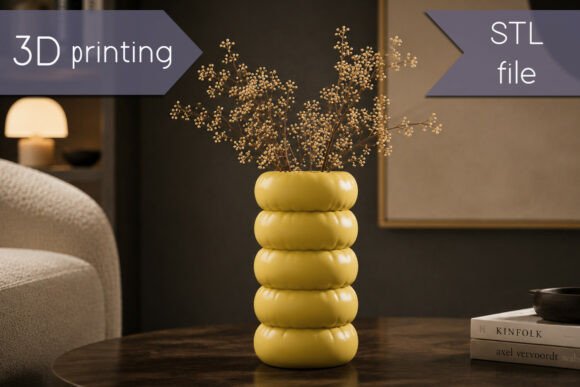
The Inflated Vase STL is a digital blueprint crafted with precision and creativity in mind. Its name suggests a form that mimics the organic curves and smooth surfaces of a blown glass piece. The design is characterized by its asymmetrical yet harmonious structure, which gives it a modern and elegant aesthetic. Unlike traditional vases, which often follow strict geometric patterns, this model embraces fluidity and softness, making it ideal for those who want to bring a touch of artistry into their prints.
What makes the Inflated Vase STL stand out is how it's structured for 3D printing. The model is clean, well-optimized, and engineered with minimal supports in mind. This means less post-processing work and fewer materials used during the printing process—both of which are highly valued by users looking to streamline their workflow.
Why Choose This STL File for Your 3D Printer?
- Compatibility: This 3D print vase STL is compatible with most FDM and resin-based 3D printers, ensuring that a wide range of users can take advantage of its design without needing specialized equipment.
- Printability: Designed with ease of printing as a priority, the Inflated Vase requires minimal use of support structures, reducing the risk of print failure and saving time on cleanup.
- Customization Potential: While the STL file comes as a ready-to-print model, it also allows for modifications. Users can scale the size, adjust wall thickness, or even incorporate personalized engravings to tailor the vase to their needs.
- Aesthetic Appeal: The inflated look adds a sense of movement and lightness to the object, making it suitable for both contemporary and minimalist interior designs.
These features make the Inflated Vase STL not only practical but also versatile, allowing for creative expression across various user groups—from educators demonstrating 3D modeling concepts to business owners producing branded merchandise.
Real-World Applications of the Inflated Vase STL
One of the greatest strengths of the 3D print vase is its adaptability to different contexts. Here are some practical examples of how professionals and hobbyists alike have applied this model in their projects:
- Home Decor: Many individuals use the Inflated Vase STL to create eye-catching centerpieces or accent pieces for living rooms, bedrooms, or offices. The vase’s organic shape complements natural elements like dried flowers or greenery, enhancing the visual appeal of any space.
- Gifts and Keepsakes: For special occasions such as birthdays, weddings, or housewarmings, the vase serves as a meaningful and original gift. By customizing the color or engraving names and dates, creators can produce one-of-a-kind items that resonate emotionally with recipients.
- Educational Purposes: Educators in STEM fields often use models like the Inflated Vase STL to teach students about digital design, material properties, and the nuances of 3D printing. It’s an excellent example of how form follows function in modern manufacturing.
- Commercial Production: Small businesses and entrepreneurs leverage this STL to develop product lines. When printed in premium resins or vibrant filaments, the vases can be sold as decorative items or upcycled into candle holders, soap dispensers, or even lamp bases.
Technical Considerations for Printing the Inflated Vase
Before diving into your 3D print vase project, it’s essential to consider a few technical aspects to ensure optimal results:
- Material Selection: For best results, choose materials that highlight the vase’s texture and transparency. Resin offers a glossy finish and fine detail, while PLA or PETG can give it a more tactile and eco-friendly feel.
- Printer Settings: Due to the vase’s smooth, curved surfaces, it’s recommended to use a layer height between 0.1mm and 0.2mm. A higher infill percentage (around 20%) will add structural integrity without significantly increasing print time.
- Orientation Tips: To minimize the need for supports, print the vase upright. This orientation also helps maintain surface quality on the outer curves.
- Post-Processing Options: Sanding, polishing, or painting the final print can enhance the appearance. Resin prints may benefit from UV curing and alcohol washing to achieve a clear, finished look.
By paying attention to these considerations, users can maximize the potential of the Inflated Vase STL, achieving professional-grade results from their own 3D printer.
Exploring Creative Workflows with the Inflated Vase Model
For creators who enjoy experimenting with digital fabrication tools, the 3D print vase opens up numerous possibilities. Here’s how you can integrate this STL into your creative process:
Design Customizations
Using slicing software or CAD programs, you can tweak the Inflated Vase STL to suit your vision. Some popular modifications include:
- Adding engraved text or patterns to personalize the piece.
- Changing the base width for better stability or to match furniture styles.
- Printing multiple layers in different colors for a gradient or multi-tonal effect.
Combining with Other Models
This STL works well when paired with complementary objects. For instance, combining the vase with a 3D printed pedestal or frame can elevate its presentation. Artists might also embed it within other structures to create larger installations or modular displays.
Batch Printing for Events or Sales
Businesses and event planners can take advantage of the model’s simplicity to print multiple copies at once. With proper setup and calibration, a single print job can yield several vases, each tailored for a specific purpose—whether it’s selling at a craft fair or using as part of a themed display.
Comparing the Inflated Vase STL to Other Vase Designs
While there are countless 3D printable vase options available online, the Inflated Vase STL distinguishes itself through its unique characteristics. Traditional geometric vases, for example, often require complex support structures due to overhangs and sharp angles. In contrast, the Inflated Vase’s smooth, flowing form eliminates many of these challenges.
Another common type is the abstract or sculptural vase, which prioritizes artistic flair over usability. The Inflated Vase strikes a balance between the two, offering an appealing silhouette while maintaining functionality. It’s also more lightweight than bulky designs, which is beneficial for shipping and gifting purposes.
From a production standpoint, the Inflated Vase STL is superior to many others because of its optimized geometry. This reduces the chance of warping, stringing, or other printing issues, especially for beginners or those using budget-friendly printers.
Use Cases Across Different Industries
The versatility of the 3D print vase extends beyond personal use. Let’s explore how different industries and professionals are utilizing this model:
- Interior Designers: These vases are often used in mock-ups or client presentations to showcase how 3D printed decor can blend with existing spaces. Their lightweight nature also makes them ideal for temporary setups or pop-up stores.
- Architects and Product Designers: The model is sometimes repurposed for prototyping. Its organic form can serve as inspiration for ergonomic products or fluid architectural elements.
- Artisans and Craft Makers: Artists appreciate the ability to customize the vase’s appearance. By altering textures or adding intricate details, they can transform it into a true work of art.
- Researchers and Educators: As a case study in additive manufacturing, the Inflated Vase STL is used to demonstrate the capabilities of FDM and resin printers. It’s also a valuable tool for teaching about topology optimization and surface finishing techniques.
Current Trends and Future Possibilities
As 3D printing becomes more mainstream, the demand for aesthetically pleasing yet functional objects continues to grow. The Inflated Vase STL aligns perfectly with current trends in sustainable design and bespoke home goods. More consumers are seeking items that reflect their personality and values, and a hand-printed vase fits this niche beautifully.
Looking ahead, the integration of smart technologies into 3D printed objects is gaining traction. Imagine an Inflated Vase STL embedded with sensors to monitor plant health or LED lighting for ambient illumination. These innovations could turn what was once a simple decorative item into a multifunctional component of smart homes or interactive art exhibits.
Moreover, advancements in biodegradable filaments and recycled resins are making 3D printed decor more environmentally friendly. The Inflated Vase, with its efficient use of material, is well-positioned to become a staple in eco-conscious design practices.
Getting Started: What You Need to Know
For those new to 3D printing, the 3D print vase is an excellent starting point. The Inflated Vase STL is straightforward to load into slicing software such as Cura, PrusaSlicer, or Simplify3D. Once sliced, the model can be printed with confidence, thanks to its low complexity and minimal support requirements.
Here’s a quick checklist to help you begin:
- Ensure your printer is calibrated and the bed is level.
- Choose a filament or resin that suits your desired finish.
- Load the STL file into your preferred slicing software and adjust settings accordingly.
- Monitor the first few layers to catch any misalignment or adhesion issues.
- After printing, remove any necessary supports and polish or paint if needed.
Following these steps ensures a smooth and successful print, regardless of your experience level. The result is a beautiful, functional object that showcases the power of 3D printing technology.
Conclusion of Thoughts on the Inflated Vase STL
With its artistic form and engineering efficiency, the Inflated Vase STL represents the perfect marriage of aesthetics and practicality in the world of 3D print vases. It’s a testament to how digital design can empower creators to produce meaningful objects that resonate with both personal and commercial audiences.
Whether you’re printing for yourself, your home, or your business, this STL file delivers consistent results and endless customization opportunities. Its compatibility with a broad range of 3D printers and its optimized geometry make it an invaluable asset in any creator’s toolkit.
As we continue to see innovation in materials, software, and printing techniques, models like the Inflated Vase STL will remain relevant and adaptable. They offer a glimpse into the future of design—one where personalization meets sustainability, and artistry thrives through technology.